
How to Monitor ASIC Miners Remotely:
From Basic Tools to Mining Management Software
Running a mining farm involves far more than keeping ASIC miners online. Operators monitor hashrate, track equipment health, respond to failures, schedule maintenance, manage technicians, and keep multiple sites running efficiently. Many of these processes are still handled manually, making day-to-day operations increasingly difficult as a mining farm grows.
Once a fleet reaches a few hundred ASIC miners, manual monitoring is no longer enough. Operators need a reliable way to monitor ASIC miners remotely, identify issues early, and maintain visibility across the entire mining operation without constantly being on site.
Once a fleet reaches a few hundred ASIC miners, manual monitoring is no longer enough. Operators need a reliable way to monitor ASIC miners remotely, identify issues early, and maintain visibility across the entire mining operation without constantly being on site.
This article compares different ways to monitor ASIC miners remotely, from mining pool dashboards and secure remote access to professional ASIC miner monitoring software.
While simple methods may work for smaller setups, growing mining operations need centralized visibility, automation, and remote miner management to reduce downtime and maintain performance.
While simple methods may work for smaller setups, growing mining operations need centralized visibility, automation, and remote miner management to reduce downtime and maintain performance.
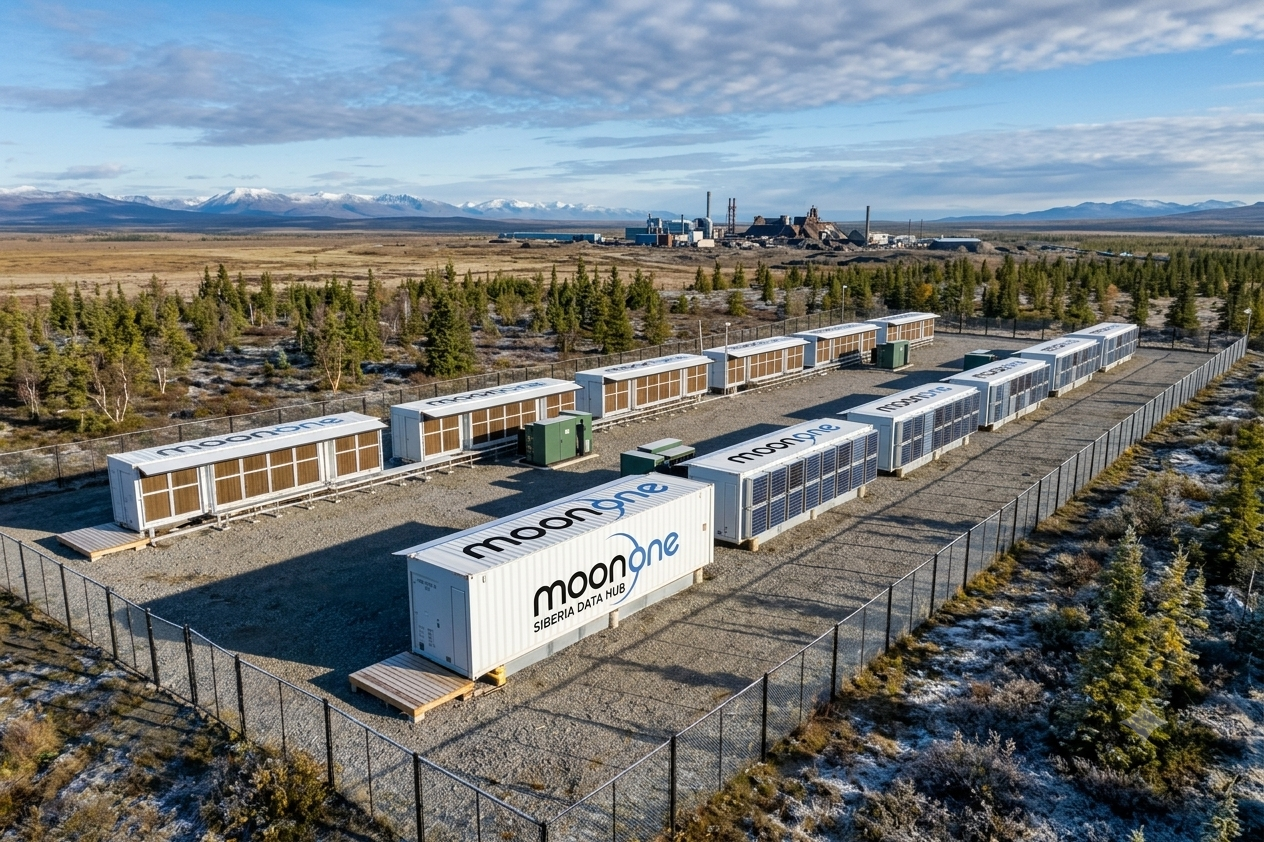
Why remote monitoring has become essential
Mining profitability depends on uptime. Every hour an ASIC miner spends offline, throttled, or operating below its expected hashrate results in lost production that cannot be recovered. For smaller mining operations, an occasional offline miner has little impact on overall performance. But as the fleet grows into hundreds of ASIC miners, small issues across multiple devices quickly accumulate into significant revenue losses.
The real danger is not that failures happen. It is that they happen silently. An ASIC miner can keep running while producing reduced hashrate. A fan can degrade slowly until a chip overheats. A network fault can disconnect a device from its pool without any obvious sign. If you are not watching, you often discover these problems only after the daily payout drops — long after the losses started.
Remote monitoring solves this by giving you a live view of your hardware from anywhere. Instead of finding out about problems after the fact, you see them as they happen and can act before they turn into lost production.
What does it mean to monitor an ASIC miner remotely?
Remote monitoring means accessing the operational data your miners produce without physical access to the device. Every ASIC continuously reports information about its own condition, including hashrate, chip and board temperatures, fan speeds, power consumption, error rates, and network status.
The goal of monitoring is not simply to collect this data. The real value is understanding where production is being lost and what you should do about it. A sudden hashrate drop across several miners points to a technical issue that needs attention. A rising temperature warns of a cooling problem before it damages hardware. The faster you detect these situations, the smaller their impact on your bottom line.
There are several ways to monitor an ASIC miner remotely, from simple pool dashboards to full-featured ASIC miner monitoring software.
Method 1: Mining pool dashboards
The simplest way to start is with the dashboard your mining pool already provides. Pools display each worker's hashrate and submission status in any web browser, with no setup required.
Most pools also let you enable email or Telegram alerts when a worker goes offline for a configurable period, usually between 10 and 30 minutes. Turning these alerts on is the single highest-value action a small miner can take to protect uptime, and it takes only a few minutes.
The limitation is that pool dashboards show pool-side data only. They tell you a worker has stopped submitting shares, but not why — they cannot see chip temperatures, fan health, or hardware errors. For a few machines, that is often enough. For a growing fleet, it is not.
Method 2: Direct network access (web interface, SSH, and VPN)
Every ASIC miner has a built-in web interface reachable through its local IP address. From the same network, you can open it in a browser to check status and change settings. Miners running Linux-based firmware also support SSH (Secure Shell), which gives you command-line access as if you were sitting at the machine.
The challenge is reaching these interfaces from outside your local network. The most reliable and secure approach is a VPN. Setting up a VPN server on your router — WireGuard is widely supported on routers running OpenWrt or DD-WRT — makes your phone or laptop appear to be on your home network, so it can reach each miner's IP directly. This lets you monitor Antminer remotely, as well as any other ASIC miner, through its native interface without exposing it to the public internet. The same approach works whether you want to monitor a single Antminer at home or manage dozens of machines hosted in a professional mining facility.
Direct access is powerful and free, but it is manual. You still have to check each device individually, which does not scale much better than walking the racks in person.
Method 3: Using ASIC Miner Monitoring Software
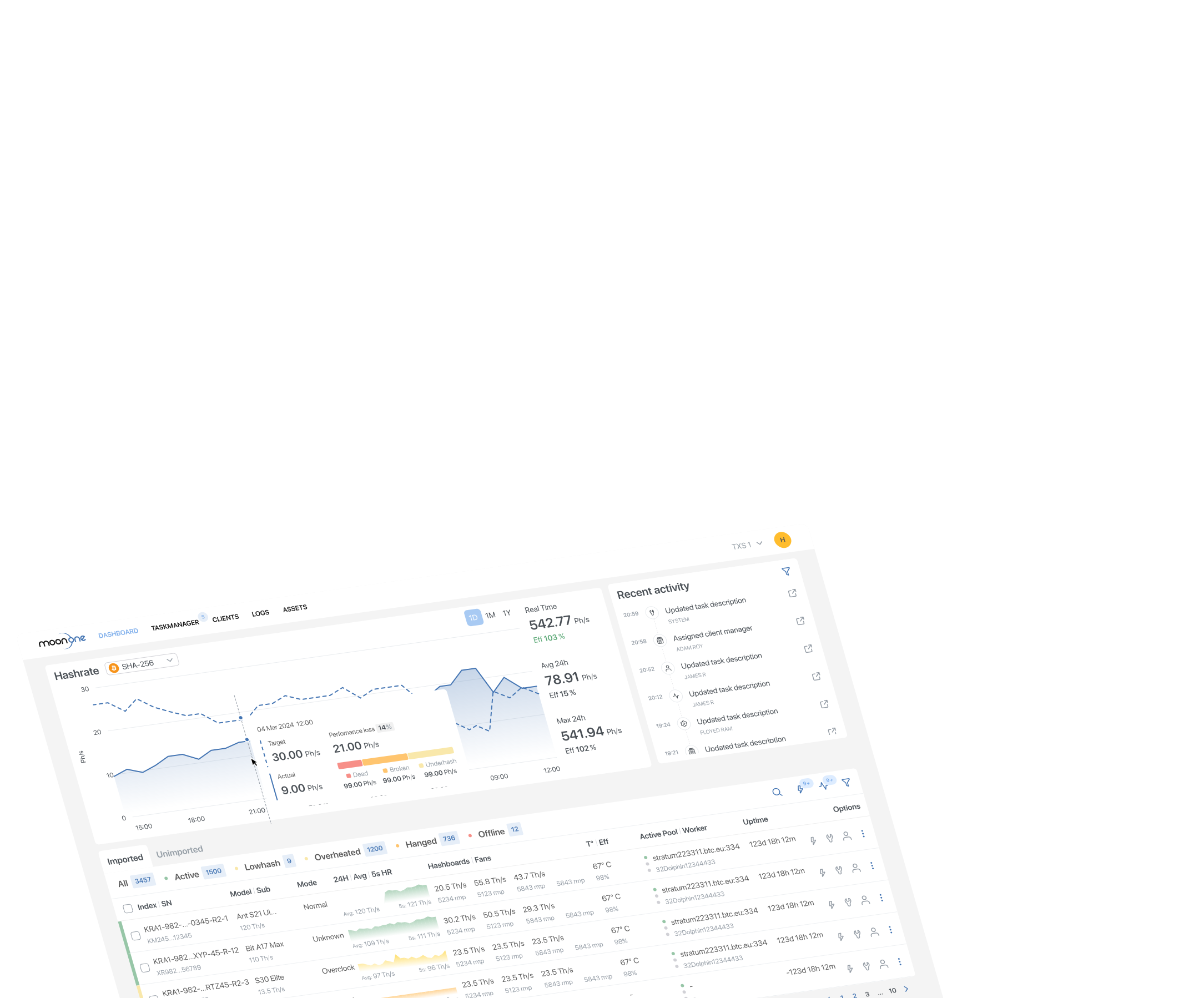
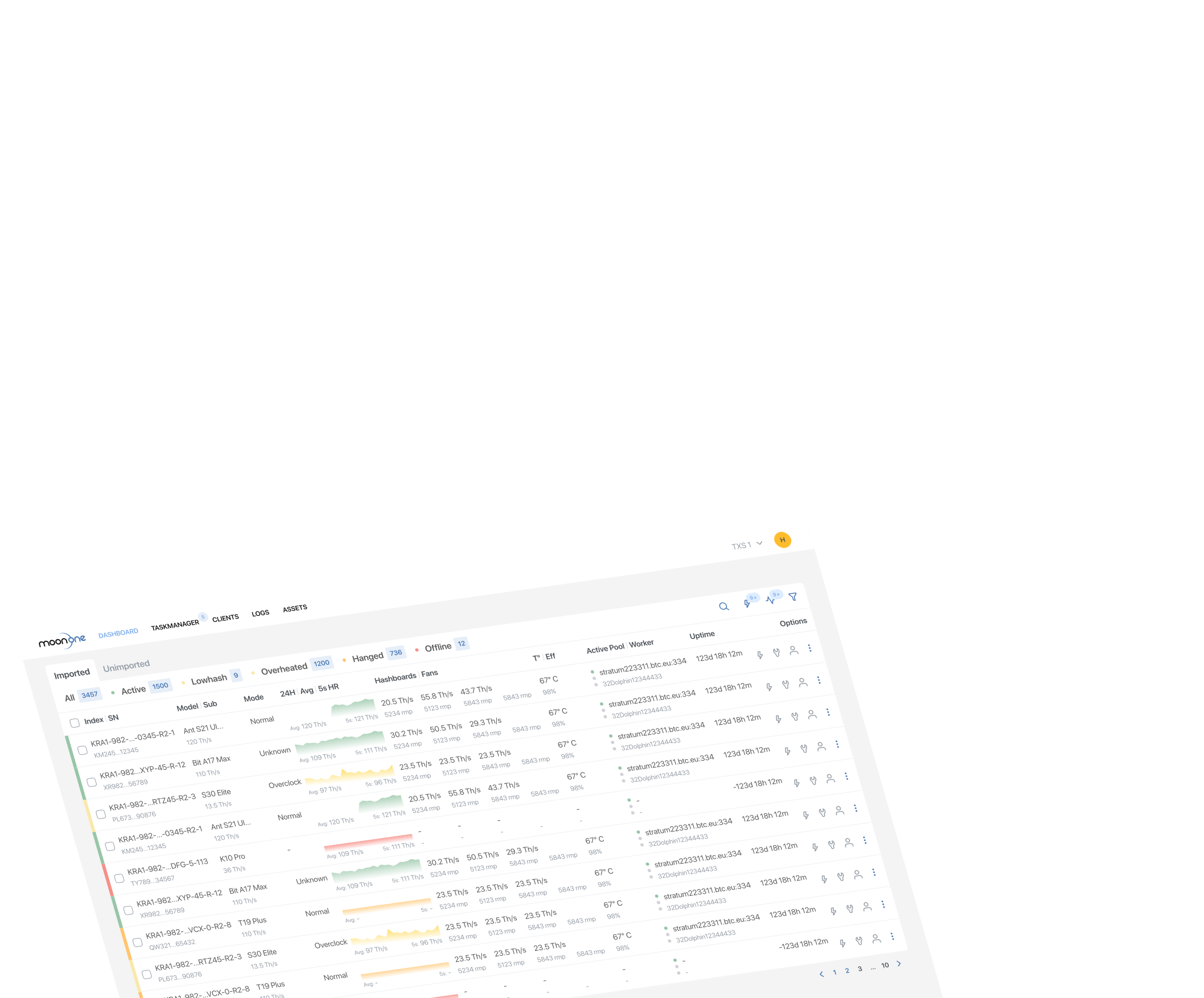
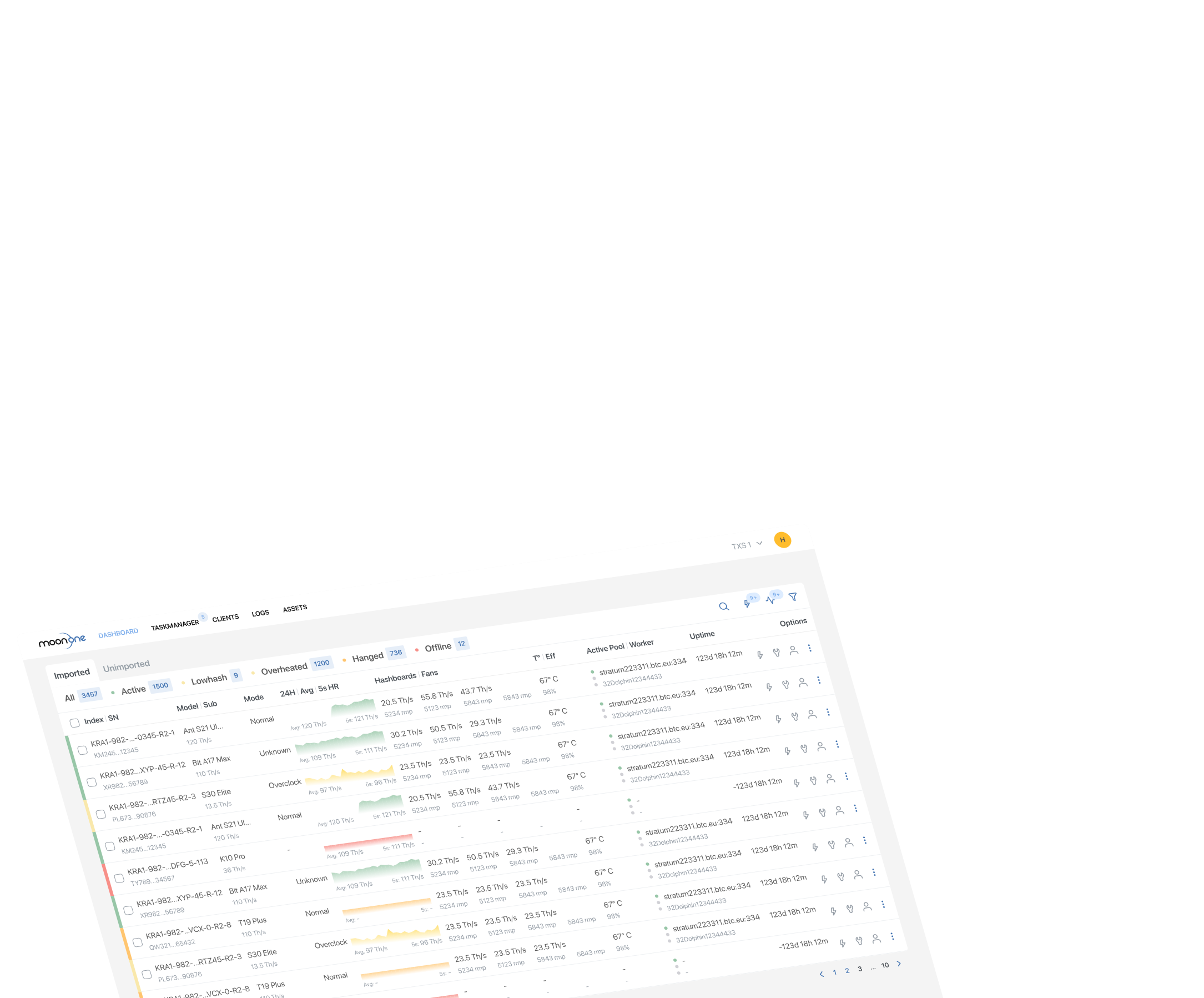
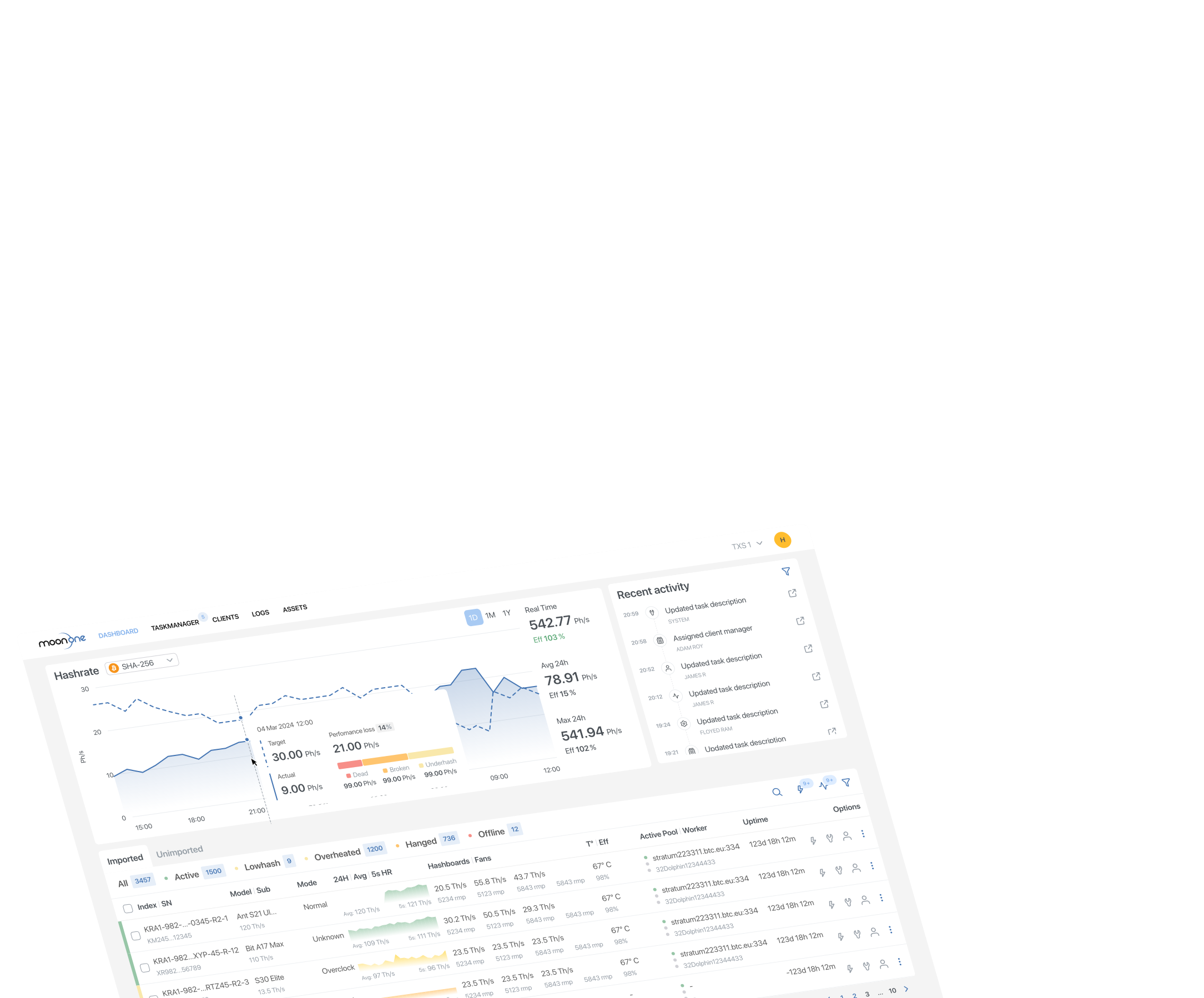
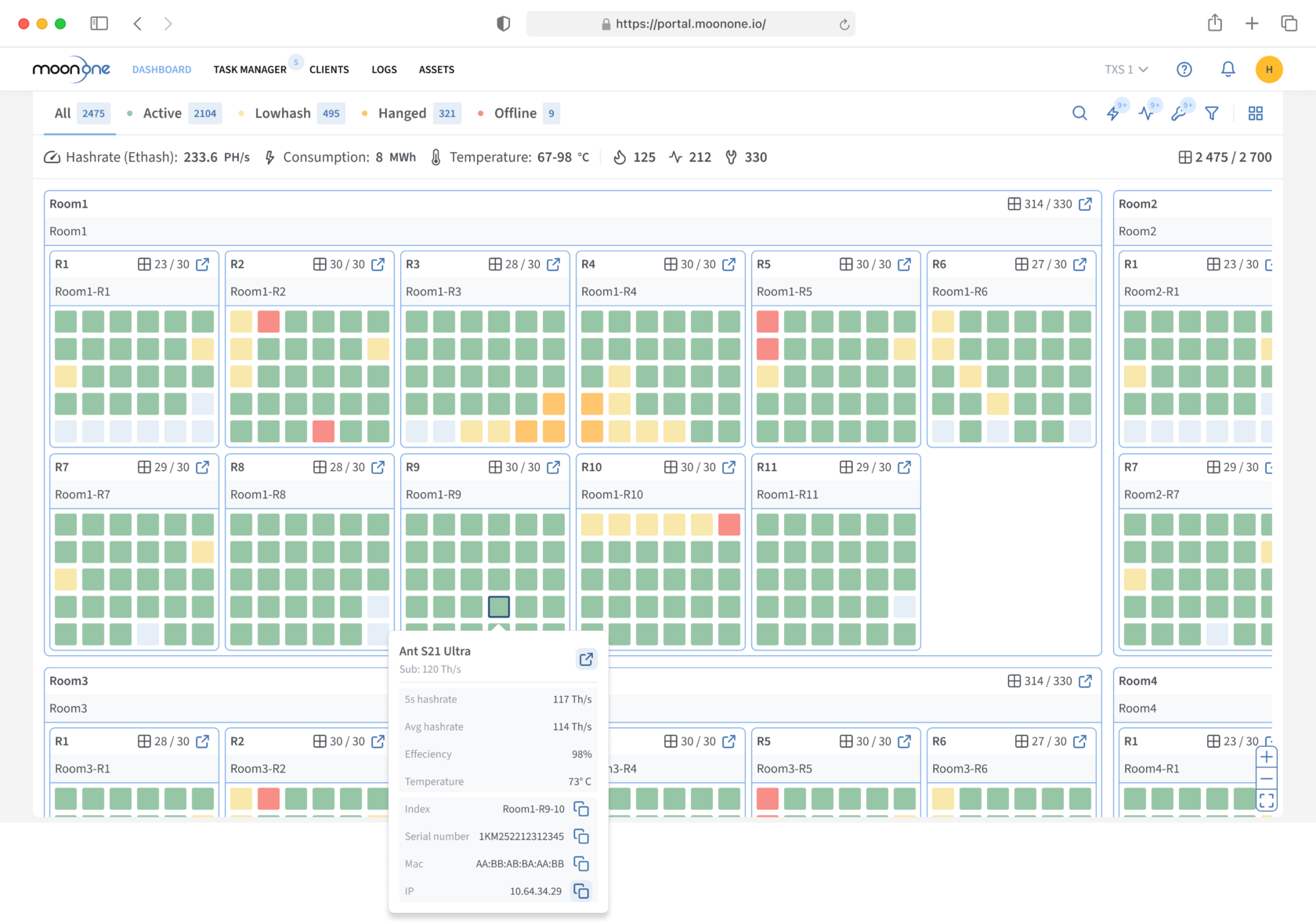
For any operation beyond a few miners, ASIC miner monitoring software is the practical answer. These platforms connect to each miner, collect operational data automatically, and present the entire fleet through a single interface.
Instead of opening each miner one by one, you can see the status of your entire fleet through a single interface, with sorting, filtering, historical data, and alerts built in. Modern ASIC miner monitoring software gives operators a centralized view of equipment performance and helps identify issues before they affect overall production.
For growing mining operations, this approach changes the way maintenance is managed. Instead of manually checking hundreds of devices, operators can quickly understand which miners require attention, prioritize the most important issues, and reduce unnecessary downtime.
For growing mining operations, this approach changes the way maintenance is managed. Instead of manually checking hundreds of devices, operators can quickly understand which miners require attention, prioritize the most important issues, and reduce unnecessary downtime.
The biggest difference between manual monitoring and ASIC miner monitoring software is not the dashboard itself. It is the ability to turn operational data into action. Instead of simply showing that a miner is offline, the platform helps operators understand which failures have the greatest impact on total hashrate, what can be resolved remotely, and which issues require on-site maintenance.
Platforms such as MoonOne combine real-time monitoring with remote miner management, allowing operators to monitor their entire ASIC fleet from a single interface, whether it is deployed at one site or across multiple mining facilities. With centralized visibility, remote access, and automation, growing mining operations can reduce downtime and spend less time on routine manual tasks.
Platforms such as MoonOne combine real-time monitoring with remote miner management, allowing operators to monitor their entire ASIC fleet from a single interface, whether it is deployed at one site or across multiple mining facilities. With centralized visibility, remote access, and automation, growing mining operations can reduce downtime and spend less time on routine manual tasks.
Which metrics you should actually monitor
Whatever method you use, a few core metrics deserve constant attention.
Hashrate. The clearest indicator of production. A drop of more than about 5% from baseline signals a problem worth investigating.
Chip and board temperature. Most ASICs run safely between 60°C and 85°C. Above 90°C you are in the danger zone, and sustained heat shortens hardware lifespan dramatically.
Fan speed. Failing fans are one of the most common causes of overheating and are easy to catch early.
Power consumption. An unexpected spike or drop can point to hardware faults or unstable overclock settings.
Error logs and network status. Hardware error counts and pool connectivity reveal issues that hashrate alone can hide.
It also helps to track ambient conditions. A simple temperature and humidity sensor in the mining space provides valuable context. If the room warms by five degrees during a heat wave, you want to know before your miners begin throttling.
Setting up alerts that protect uptime
Monitoring only helps if it reaches you at the right moment. The value of any system comes from its alerts. Configure notifications for the situations that cost you money: a hashrate drop above 5%, a temperature above 85°C, a power spike more than 10% over baseline, and any worker that goes offline.
The aim is to be notified about a developing problem rather than discovering degraded performance hours or days later. Well-configured alerts turn monitoring from a passive record into an early-warning system — often making the difference between a two-minute remote reboot and a burned-out control board.
Keeping remote access secure
Opening your miners to remote access also opens them to risk. Many devices ship with default credentials such as "admin/admin," and attackers routinely scan the internet for exposed mining interfaces to launch automated password attacks. A compromised miner can be redirected to another pool, used to steal your earnings, or even rendered unusable.
A few simple practices eliminate most of the risk. Change every default password to a strong one of at least 12 characters. Never expose a miner's web interface directly to the public internet — reach it through a VPN or an encrypted tunnel instead. Enable two-factor authentication on any mining management platform, restrict SSH access, and keep firmware up to date, since updates frequently patch security vulnerabilities while also improving stability and efficiency.
From monitoring to automation
Automation is the next step in remote miner management. Instead of simply notifying operators about a problem, modern mining management platforms can respond automatically. You define triggers and actions — for example, rebooting an unresponsive miner, taking an overheating device offline, or switching pools when connectivity is lost.
This shifts monitoring from reporting problems to helping resolve them. In MoonOne, routine recovery tasks can be automated, allowing operators to spend less time responding to alerts and more time improving the overall performance of their mining operation.
As mining farms grow, the challenge is rarely identifying a single failed miner. The real challenge is dealing with dozens of small operational issues every day. Automating routine recovery tasks reduces manual work, shortens response times, and allows maintenance teams to focus on the issues that have the greatest impact on overall hashrate.
This shifts monitoring from reporting problems to helping resolve them. In MoonOne, routine recovery tasks can be automated, allowing operators to spend less time responding to alerts and more time improving the overall performance of their mining operation.
As mining farms grow, the challenge is rarely identifying a single failed miner. The real challenge is dealing with dozens of small operational issues every day. Automating routine recovery tasks reduces manual work, shortens response times, and allows maintenance teams to focus on the issues that have the greatest impact on overall hashrate.
What to look for when choosing monitoring software
When comparing tools, look beyond the number of dashboards and metrics. The questions that matter are practical. Does the platform support your specific miner models? Does it provide meaningful alerts instead of overwhelming you with notifications? Can it act on problems automatically, or does it only display them? Will it scale as your operation grows over the next year?
For growing mining operations, the most valuable ASIC miner monitoring software is the platform that reduces manual work, improves operational decisions, and helps solve problems rather than simply report them.
Conclusion
Learning how to monitor an ASIC miner remotely is no longer optional for anyone serious about mining. Start with free pool alerts and native management interfaces, secure remote access with strong passwords and a VPN, and move to ASIC miner monitoring software as your mining operation grows.
The right platform turns scattered device data into clear operational insight, helping you reduce downtime, protect your hardware, and build a more predictable mining operation. Solutions such as MoonOne combine monitoring, remote miner management, and automation to help operators keep their mining infrastructure efficient and reliable — whether they manage a single machine or thousands of ASIC miners.